About
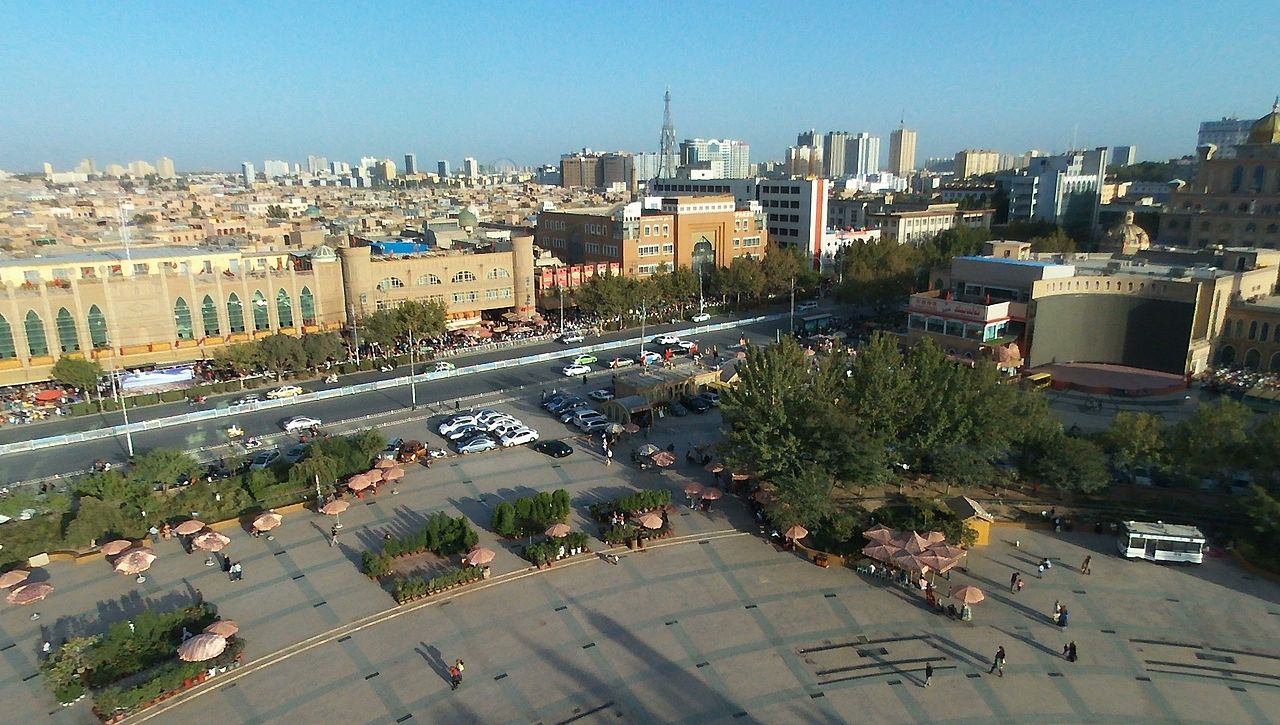
Kashgar is a historic city in the far west of China, in the Xinjiang Uyghur Autonomous Region, and it is known in Chinese as 喀什, in Uyghur as قەشقەر, and in older English sources as Kashi. Set in the Tarim Basin, it has long been a meeting point on the Silk Road, and its character still reflects that past more than many Chinese cities do.
What to expect
The city feels closer to Central Asia than to eastern China. Much of daily life is shaped by Uyghur culture, and visitors notice this in the language on signs, the food, and the rhythm of the streets. Traditional bazaars remain a central part of city life, where local goods and produce change hands in lively, crowded lanes. Wandering them is one of the most rewarding ways to spend time here.
Islamic architecture is another defining feature. Mosques and older residential quarters show the influence of the region's long Islamic heritage, and their details reward a slow look.
Getting the most from a visit
- Allow time for the bazaars, going early or late in the day when the streets are busiest and the light is good.
- Look at the architecture on foot, since the older neighbourhoods are best discovered without a fixed route.
- Plan ahead for travel, because Kashgar is a remote city and onward journeys take planning.
Kashgar is also a gateway. Its position near the borders with Pakistan and Central Asia has long made it a crossing point for traders and travellers, and that role is part of what gives the city its distinctive mix of cultures. For a visitor interested in the Silk Road and in a living, working city rather than a showpiece, it offers a visit with genuine depth.