About
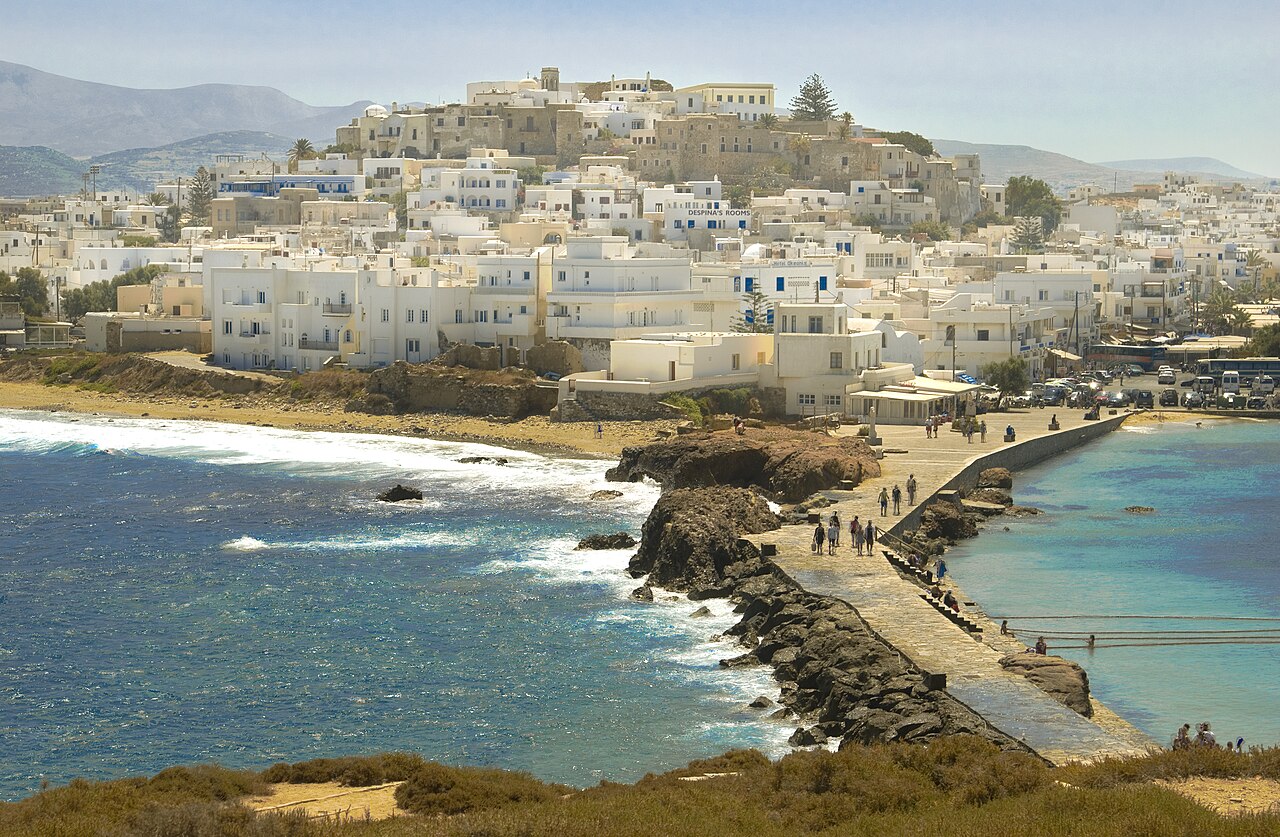
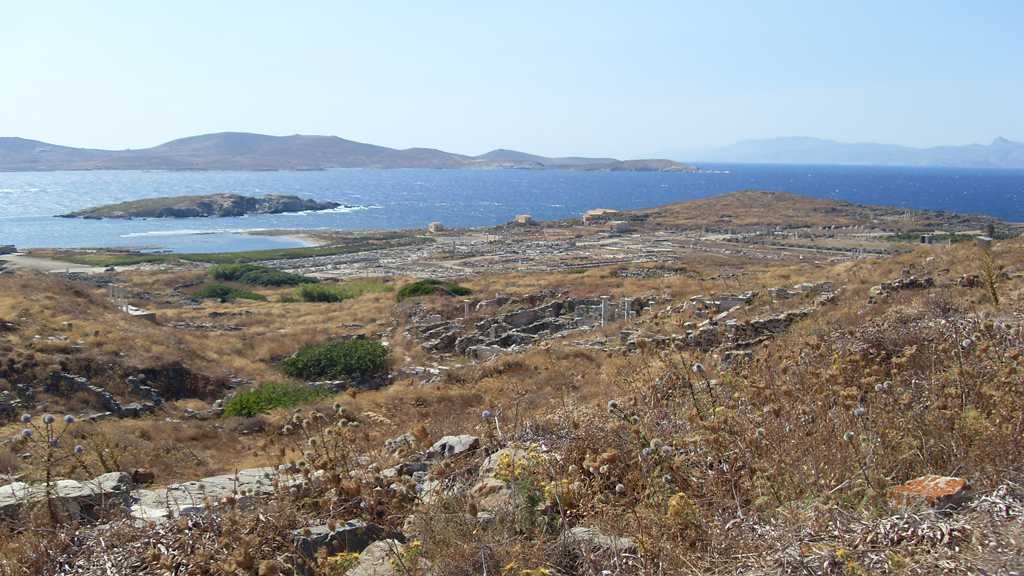
Milos is an island in the Cyclades, in the Aegean Sea of Greece. It is known for its volcanic landscapes, which set it apart from many of its neighbours in the group, and for its dramatic rock formations along the coast.
What the island offers
- Volcanic scenery: the island's shape and surfaces reflect its volcanic origins, and walking or driving through the varied terrain shows a landscape quite unlike the typical white-and-blue Cycladic view.
- Coastal rock formations: the dramatic rocks along the shoreline make for scenic outings, especially for those who enjoy looking out over the sea.
- Fishing villages: the colourful fishing villages are a pleasant place to wander, watch boats come and go, and eat simply.
A place with an ancient connection
Milos is also the site where the ancient statue known as the Venus de Milo was discovered. Visitors interested in classical history will find this a meaningful link to the island's past, and it adds a cultural dimension to a trip otherwise centred on landscape and sea.
Is it worth the trip?
Milos suits travellers who want to combine the Cyclades' sea and village life with something more rugged and varied than the usual island scene. Plan for a few days so that you can move between the villages, the coast and the volcanic areas at an unhurried pace. The island rewards a slow visit, and the surrounding Cyclades islands are within reach for those who want to extend their journey.