About
New Caledonia is a French territory in the south-western Pacific, part of Oceania. It is a place where a Melanesian heritage and French culture sit side by side, and where the blend shows in everyday life, from language and food to the rhythm of its towns.
The lagoon and the reef
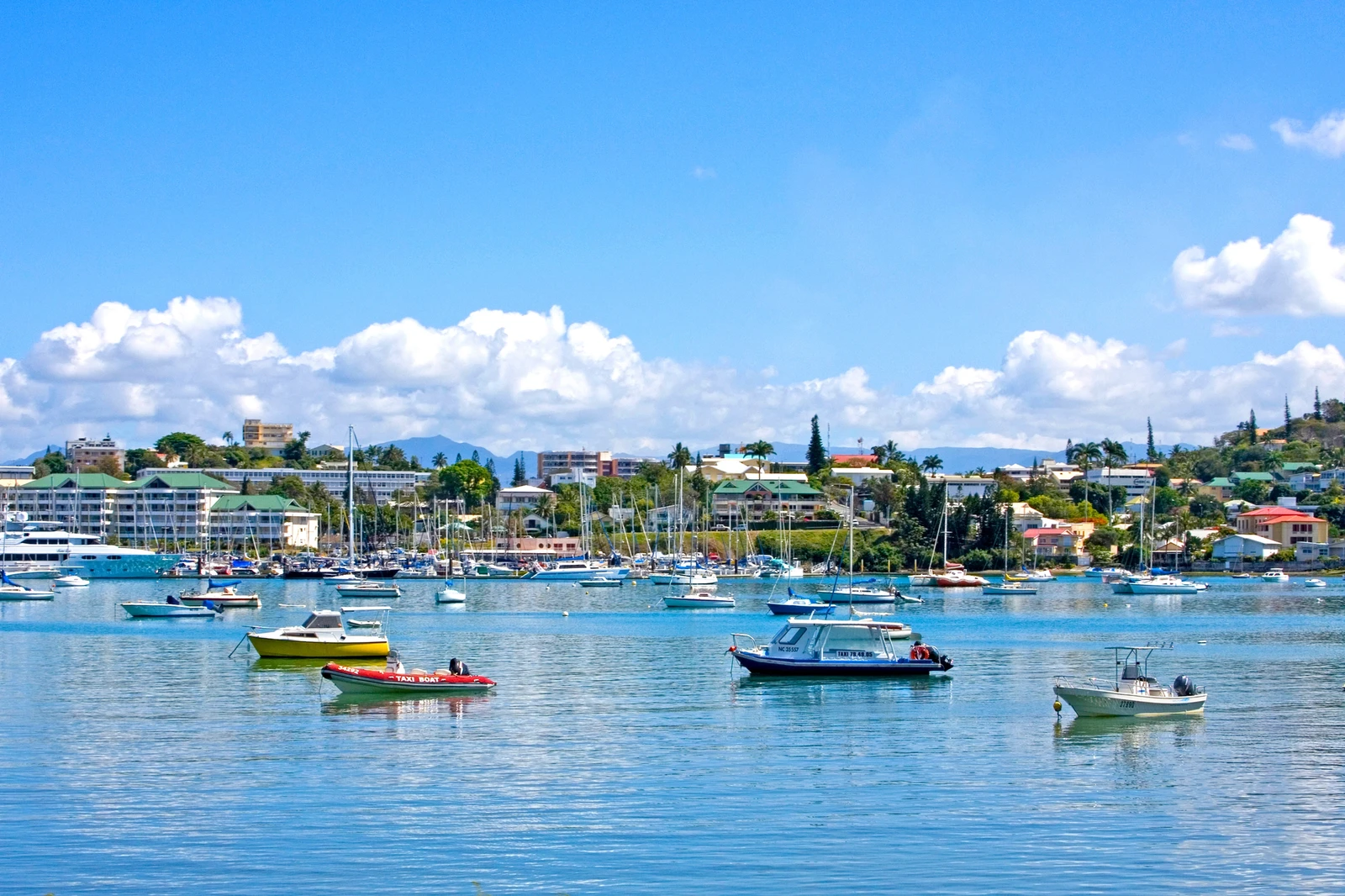
The territory is known for its lagoon, which the facts describe as the world's largest, and for the barrier reef that encloses it. For a visitor, the water is the main draw: this is a setting for snorkelling, diving and simply spending time on the shore, watching how the colours shift with the depth and the light. The reef also means that much of the coastline feels sheltered and calm.
Nature found nowhere else
New Caledonia is noted for its unique flora and fauna. Many of its plants and animals occur nowhere else on Earth, which makes the land as interesting to a naturalist as the sea is to a swimmer. Walking through its forests and along its coasts gives a sense of a landscape that has developed in relative isolation.
Mining heritage
The territory also carries a mining heritage, and this shapes both its history and its landscape. Visitors interested in how a place's economy has left its mark will find this part of the story woven into the region, alongside its natural attractions.
Planning a visit
New Caledonia suits travellers who want the sea, the reef and a distinctive cultural mix in one trip. The main town and its surrounding area offer the practical base for exploring, with the lagoon close at hand. Its French character means that visitors will meet a familiar European ease in some respects, and a Melanesian presence that gives the territory its own identity.


