About
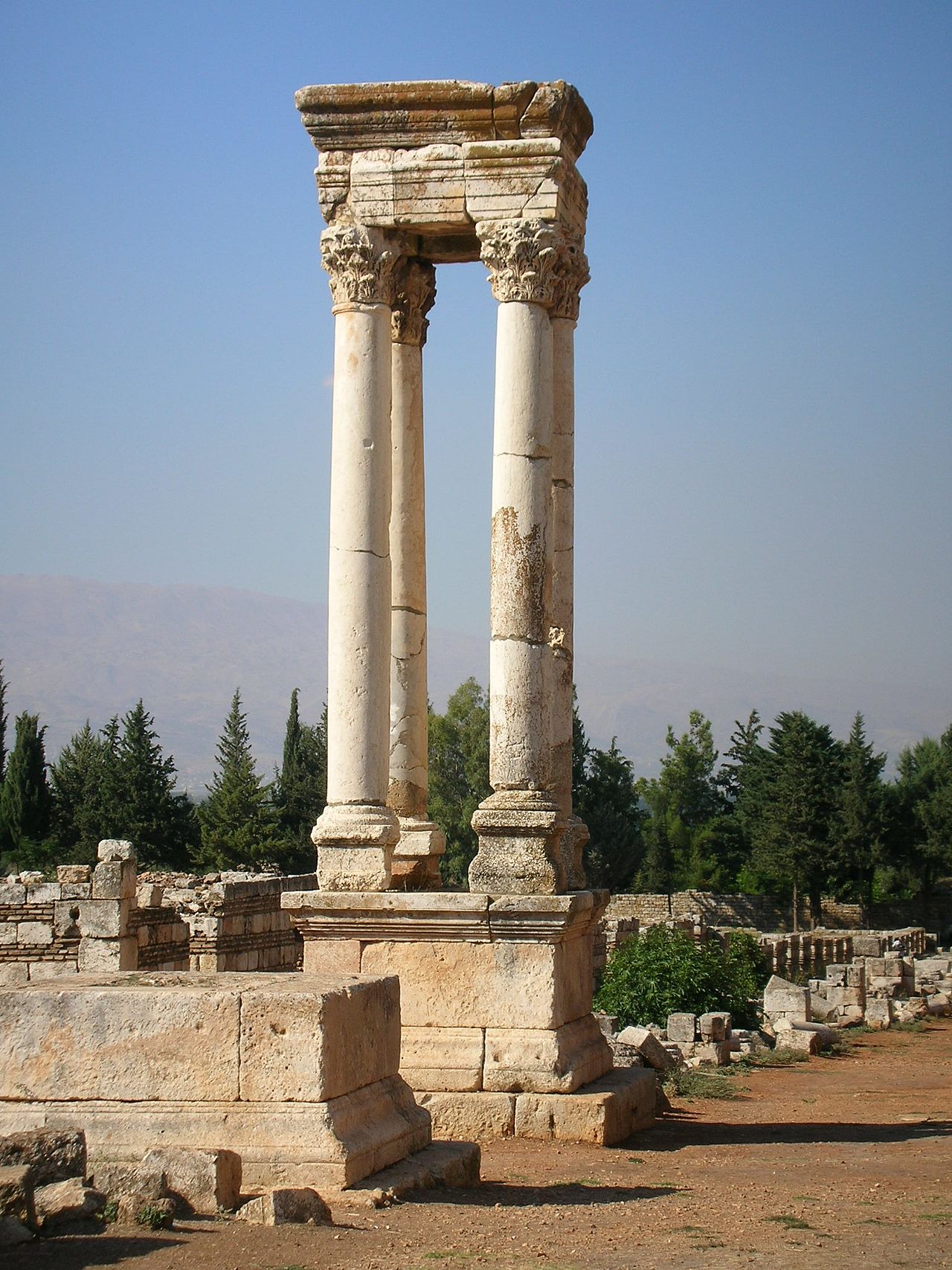
Anjar is an archaeological site in the Bekaa Valley of eastern Lebanon, also known as Haoush Mousa or the Anjar Archaeological Site. It preserves the ruins of an Umayyad city dating from the 8th century, and it has been a UNESCO World Heritage Site since 1984.
What you will see
The site is valued for what it reveals about early Islamic urban planning. Its layout and architecture show how a city of that period was organised, with streets, public buildings and residential areas laid out with clear intent. For visitors interested in the history of cities, the ruins offer a rare chance to walk through a planned settlement from the period rather than only reading about it.
- Remains of an Umayyad city from the 8th century
- Evidence of early Islamic urban design and building methods
- A UNESCO World Heritage Site, recognised since 1984
Planning your visit
Anjar sits in the Bekaa Valley, a broad agricultural plain inland from Beirut, so it suits a day trip or a longer stay in the valley. The visit is best suited to people who enjoy archaeology, architecture and quiet historical sites. Because it is an open ruin rather than a museum with indoor displays, comfortable footwear and some time for walking around are useful. For up-to-date information on visiting, the site can be contacted by telephone at +961 8 540004.